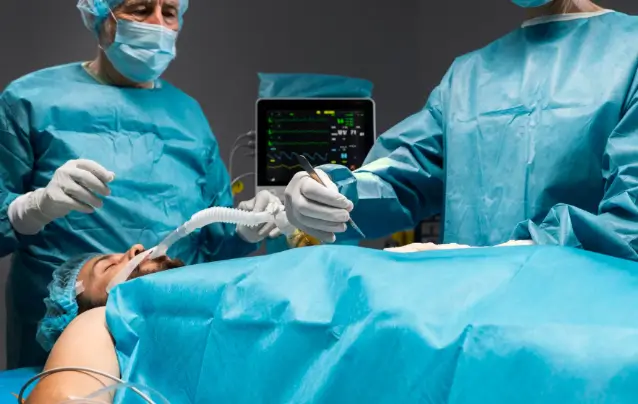
Advanced surgical stapling solutions for minimally invasive procedures have become a cornerstone of modern surgery, enabling surgeons to perform complex operations through small incisions with greater precision, safety, and efficiency. These systems are designed to improve tissue handling, reduce operative time, and support faster patient recovery compared to traditional open surgical techniques.
As hospitals worldwide continue shifting toward minimally invasive and robotic assisted approaches, demand for more sophisticated stapling technologies has increased significantly. These advanced solutions combine mechanical engineering, digital intelligence, and ergonomic design to meet the needs of modern surgical environments.
Evolution of Surgical Stapling in Minimally Invasive Surgery
Surgical stapling technology has evolved significantly from basic manual devices to highly advanced powered and endoscopic systems. Early staplers were primarily used in open surgery, where direct access to tissues allowed for straightforward application.
With the rise of minimally invasive surgery, surgeons needed tools that could operate through small incisions while maintaining accuracy and consistency. This led to the development of endoscopic staplers with long shafts, articulating heads, and refined control mechanisms.
Today’s advanced stapling systems are designed specifically for laparoscopic and robotic assisted procedures, where precision and maneuverability are essential. These devices allow surgeons to perform complex tissue resections and closures in confined anatomical spaces.
Key Features of Advanced Stapling Systems
Modern stapling solutions incorporate several advanced features that enhance surgical performance and safety.
Powered firing mechanisms are one of the most important innovations, providing consistent staple formation and reducing variability caused by manual force. This improves tissue compression control and helps ensure secure closure.
Articulation technology allows the stapler head to rotate and adjust angles, making it easier to access difficult anatomical regions during minimally invasive procedures. This flexibility is essential in laparoscopic and thoracic surgeries.
Some systems also include tissue sensing technology that evaluates tissue thickness before firing. This helps optimize staple height selection and reduces the risk of improper closure.
Ergonomic design improvements reduce surgeon fatigue and enhance control during long or complex procedures, contributing to better surgical precision.
Importance in Minimally Invasive Surgery
Minimally invasive surgery relies heavily on precision instruments that can operate through limited access points. Advanced stapling solutions play a critical role in enabling these procedures.
By allowing surgeons to cut and close tissue internally through small incisions, stapling systems reduce the need for large surgical openings. This results in less trauma to surrounding tissues and improved cosmetic outcomes for patients.
Patients undergoing minimally invasive procedures often experience reduced postoperative pain, shorter hospital stays, and faster recovery times.
These benefits have made minimally invasive techniques the preferred approach in many surgical specialties, including gastrointestinal, thoracic, gynecological, and bariatric surgery.
Applications Across Surgical Specialties
Advanced stapling solutions are used across a wide range of minimally invasive procedures.
In gastrointestinal surgery, staplers are used for bowel resections, gastric bypass, and tissue anastomosis. These procedures require precise tissue alignment and secure closure to ensure proper healing.
In thoracic surgery, staplers are commonly used for lung resections and treatment of chest conditions. The ability to operate through small incisions is especially important in reducing respiratory complications.
Bariatric surgery relies heavily on stapling systems for weight loss procedures such as sleeve gastrectomy, where large sections of the stomach are reshaped and sealed.
Gynecological and urological procedures also benefit from advanced stapling technologies, particularly in laparoscopic surgeries involving internal organ reconstruction.
Role in Robotic Assisted Surgery
Robotic assisted surgery has become one of the most advanced applications of minimally invasive techniques, and stapling systems are a key component of these platforms.
Robotic staplers allow surgeons to perform highly controlled tissue manipulation using robotic arms and high definition 3D visualization. This enhances precision and reduces the physical limitations associated with manual instruments.
Integration with robotic systems enables smoother workflow, better access to complex anatomical regions, and improved consistency during tissue closure.
As robotic surgery continues to expand globally, demand for compatible advanced stapling solutions is expected to grow significantly.
Benefits for Patients and Healthcare Providers
Advanced surgical stapling solutions offer several important benefits for both patients and healthcare providers.
For patients, these systems help reduce surgical trauma, minimize scarring, and accelerate recovery. Smaller incisions also reduce the risk of infection and postoperative complications.
For surgeons, advanced staplers improve control, reduce fatigue, and enhance procedural efficiency. Consistent staple formation also increases confidence during complex surgical procedures.
Hospitals benefit from shorter operating times and improved patient turnover, which can enhance overall healthcare efficiency and resource management.
Technological Innovations Driving Development
Continuous innovation is driving the evolution of stapling technology in minimally invasive surgery.
Digital integration is becoming increasingly important, with some systems offering real time feedback during stapling. This helps surgeons make more informed decisions during procedures.
Artificial intelligence is also being explored to support tissue assessment and improve staple selection accuracy.
Improved materials and cartridge designs contribute to better staple formation and reduced tissue trauma.
Manufacturers are also focusing on developing more compact and flexible devices that can operate efficiently within narrow anatomical spaces.
See also: User Profile Notes Covering dalebanyard26 and Alerts Feedback
Challenges in Adoption and Use
Despite their advantages, advanced stapling solutions also present certain challenges.
High development and acquisition costs can limit access in some healthcare systems. Training requirements are also significant, as surgeons must become familiar with advanced device features and robotic integration.
Device complexity can increase the learning curve, especially for teams transitioning from traditional surgical methods.
Ensuring consistent performance across different tissue types and surgical conditions remains an ongoing area of development.
Future Outlook
The future of advanced surgical stapling solutions for minimally invasive procedures is closely linked to robotics, artificial intelligence, and digital healthcare integration.
Next generation systems are expected to become more intelligent, with automated tissue analysis, adaptive firing mechanisms, and enhanced robotic compatibility.
Improved connectivity and data integration will allow real time surgical analytics and better procedural insights.
As minimally invasive and robotic assisted surgeries continue to grow, advanced stapling technologies will remain essential in supporting safer, more efficient, and more precise surgical care worldwide.