
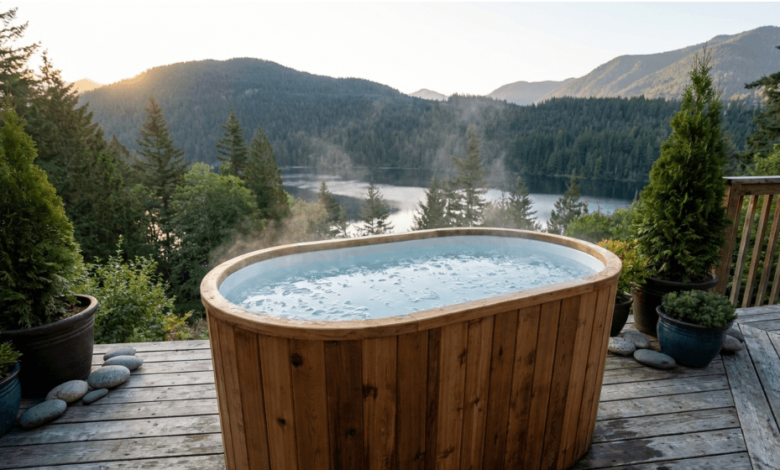
Most cold plunge buyer’s remorse doesn’t come from a bad tub. It comes from five specific mistakes: chasing the coldest possible temperature from day one, ignoring chiller recovery time in favor of raw horsepower, plunging right after resistance training without knowing what the research actually says about that timing, underestimating filtration needs, and expecting guaranteed benefits from evidence that’s genuinely mixed. Each one is avoidable with a little reading before you order, and all five trace back to skipping the evidence rather than the tub itself being the problem.
Mistake 1: Chasing the Coldest Possible Setting From Day One
New buyers often assume colder automatically means better results and shop for a chiller that can hit the lowest possible number, sometimes well under 40 degrees. In practice, very cold water mainly shortens how long you can safely stay in, and there’s no strong evidence that pushing temperature lower produces proportionally larger benefits once you’re already in a genuinely cold range. A beginner is usually better served by a chiller that reliably holds somewhere in the mid-40s to low 50s and a session length that’s actually sustainable, rather than the coldest number a spec sheet advertises.
Mistake 2: Buying on Horsepower Alone Instead of Recovery Time
A chiller’s horsepower rating tells you how much cooling capacity it has in theory, but it doesn’t tell you how fast it actually pulls water back down to target after a session, which is the number that matters for anyone plunging more than occasionally. Two chillers with the same rated horsepower can have meaningfully different recovery times depending on compressor design and how well they’re matched to a specific tub’s insulation. Ask for stated recovery time in minutes for your exact tub volume before buying, not just a general horsepower figure pulled from a spec sheet.
Mistake 3: Plunging Right After a Heavy Lifting Session Without Checking the Research
Cold-water immersion research is genuinely mixed on this specific point, and it’s worth knowing before building a routine around it. General cold-water immersion has some support for improving mood and perceived recovery, but immersing immediately after resistance-training sessions specifically has been associated in some trials with smaller long-term strength and muscle gains, likely by interfering with the inflammation the body uses to adapt. A beginner building a daily habit around a lifting program is better off separating cold exposure from training by several hours, or saving it for cardio and rest days, rather than treating every workout the same way.
Mistake 4: Underestimating How Much Filtration Actually Matters
Standing cold water used regularly is a workable environment for bacteria and algae without active treatment, and skipping an ozone generator, UV-C system, or a basic sanitizer and testing kit at purchase is one of the fastest ways to end up with cloudy or smelly water within a couple of weeks. That usually forces an unplanned drain, scrub, and refill, plus a scramble to order the equipment that should have shipped with the original purchase. Budgeting filtration into the initial order, not as an afterthought once the water already looks bad, keeps a new tub usable from the first week rather than forcing an early do-over.
Mistake 5: Expecting the Evidence to Promise More Than It Does
The most common mistake isn’t about equipment at all. It’s treating cold plunging as a proven fix for whatever it’s marketed against, when the actual research base is honestly more modest. A 2025 systematic review and meta-analysis in PLoS One found some support for mood and perceived-fatigue benefits from cold-water immersion without strong evidence for larger physiological change. A 2023 meta-analysis in Frontiers in Physiology tied post-exercise immersion to modest improvements in perceived recovery, and a 2012 Cochrane review on immersion for muscle soreness found the evidence limited and of low overall quality. None of that means cold plunging isn’t worth doing; it means a beginner should go in expecting a genuinely useful habit with real but modest, association-level support, not a guaranteed outcome.
Why These Five Mistakes Keep Repeating
Most of these mistakes share a common root: shopping from a listing page’s headline numbers instead of the details that actually determine daily performance. A tub’s advertised capacity, price, and photo tell a buyer almost nothing about recovery time, filtration adequacy, or how the evidence behind cold exposure actually applies to their own routine. Slowing down for even twenty minutes before ordering, checking recovery time against your tub’s volume, reading what the cited research actually says rather than a paraphrase of it, and confirming filtration is included rather than assumed, catches nearly all of the regret stories that show up later in reviews and forums.
How to Vet a Tub and Chiller Before You Order
Beyond the five mistakes above, a fair amount of buyer’s remorse comes down to who is behind the equipment rather than the tub itself. Search specifically for chiller reliability complaints rather than general star ratings, since a tub shell can earn great reviews while its paired chiller quietly has a reputation for failing within the first year. Ask about replacement part availability for the chiller and pump before ordering, since a brand that stops stocking parts for older models can leave an otherwise working tub stranded once a component fails. Comparing warranty terms and stated recovery times across a few options, including SweatDecks.com, before settling on price alone tends to catch problems that a glowing product listing will never mention.
Getting It Right the First Time
None of these five mistakes require expert knowledge to avoid, just checking a few things in the right order before ordering: pick a sustainable temperature target rather than the coldest one available, confirm recovery time against your tub’s actual volume, decide how cold exposure fits around any lifting schedule, budget filtration into the original purchase, and read the research honestly rather than through marketing copy. Buyers who work through that short list tend to report a straightforward first few months, which is exactly what you want from equipment you’re planning to use for years rather than a few enthusiastic weeks.
Frequently Asked Questions
What’s the biggest mistake beginners make about cold plunge benefits? Treating cold-water immersion as a proven cure-all. The research base is real but association-level and mixed, with the strongest support for mood and perceived recovery.
Is colder always better for a beginner cold plunge buyer? No. Very cold settings shorten safe session time and raise the risk of excessive core cooling without clear added benefit over a milder, sustainable temperature.
Should beginners cold plunge right after lifting weights? It’s worth thinking about first. Some research suggests immersing right after resistance training may blunt long-term strength and muscle gains.
Do beginners need to worry about chiller recovery time, not just power? Yes. A chiller can be powerful on paper and still take too long to pull water back to target if recovery time wasn’t checked against the tub’s volume.
References
- Effects of cold-water immersion on health and wellbeing: A systematic review and meta-analysis, PLoS One, 2025
- Effects of cold water immersion after exercise on fatigue recovery and exercise performance: meta analysis, Frontiers in Physiology, 2023
- Cold-water immersion (cryotherapy) for preventing and treating muscle soreness after exercise, Cochrane Database of Systematic Reviews, 2012

