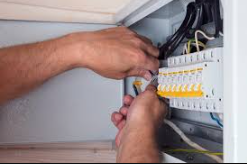
Purchasing an older home can be an exciting investment, especially for buyers who appreciate traditional architecture, established neighborhoods, and unique property features. However, older residential properties may contain electrical systems that were installed decades ago. These systems can develop problems due to aging components, outdated equipment, and increasing electricity demands.
Before purchasing a property, understanding the condition of its electrical infrastructure is essential. A professional electrical assessment can help buyers identify potential safety concerns, estimate necessary improvements, and make informed decisions about future maintenance.
Why Electrical Inspections Matter Before Buying a Home
A property’s electrical system supports numerous everyday activities, including lighting, heating, cooling, cooking, and operating household appliances.
While visible improvements such as renovated kitchens and modern flooring may attract buyers, the condition of electrical infrastructure is equally important.
An electrical inspection can provide valuable information about:
- Existing electrical equipment and its overall condition.
- Potential wiring defects and safety concerns.
- Available electrical service capacity.
- Suitability for modern household appliances.
- Signs of previous electrical modifications.
- Potential requirements for repairs or equipment modernization.
Identifying these concerns before purchasing a home can help buyers plan necessary improvements and understand possible expenses.
Common Electrical Concerns in Older Residential Properties
Older homes may contain electrical installations that differ significantly from those found in recently constructed properties.
Aging Electrical Distribution Equipment
Electrical components can deteriorate due to regular operation, temperature fluctuations, and environmental exposure.
Although older equipment does not automatically require replacement, its condition should be professionally evaluated.
Limited Electrical Capacity
Some older residential properties were designed for lower electricity consumption.
Modern appliances, heating equipment, air conditioners, and charging devices may introduce additional electrical requirements.
Outdated Wiring Systems
Older homes may contain wiring methods that require special consideration during renovation or maintenance.
A qualified electrician can evaluate the condition of existing wiring and determine whether corrective measures are appropriate.
Previous Electrical Modifications
Some properties have undergone multiple renovations or electrical repairs.
Improperly installed circuits, incompatible components, or undocumented modifications may create safety concerns.
Moisture Damage
Basements, utility rooms, and other areas may experience water intrusion or excessive humidity.
Moisture can contribute to corrosion and damage electrical equipment.
Warning Signs Buyers Should Look For
Homebuyers can observe certain external warning signs during a property walkthrough.
However, identifying hidden electrical defects requires professional inspection.
Frequently Tripping Circuit Breakers
Repeated breaker trips can indicate circuit overloading, defective appliances, damaged wiring, or other electrical faults.
Flickering or Dimming Lights
Persistent lighting fluctuations may suggest loose electrical connections or problems affecting the electrical supply.
Burning Odors
A burning smell near electrical equipment may indicate overheating or deteriorating insulation.
This condition requires urgent professional attention.
Damaged Electrical Enclosures
Visible rust, corrosion, discoloration, or physical damage can indicate electrical equipment deterioration.
Insufficient Electrical Outlets
An older home with limited outlets may not have been designed for the number of electrical devices commonly used today.
Additional outlets or circuits may require professional planning.
When Should Buyers Consider Replacing Existing Equipment?
The decision to replace residential electrical equipment should be based on its condition, compatibility, and ability to support the property’s electrical requirements.
In some situations, an electrical panel replacement may be recommended when existing distribution equipment contains significant damage, unsuitable components, or insufficient capacity for calculated household demand.
However, complete equipment replacement is not always necessary.
A licensed electrician can evaluate the installation and determine whether repairs, individual component changes, or more extensive improvements are appropriate.
How Electrical Capacity Affects Future Homeownership
A property’s electrical capacity should be evaluated before introducing substantial additional electrical loads.
Modern Kitchen Appliances
Electric ovens, induction cooktops, dishwashers, and other appliances may require dedicated circuits.
Appropriate electrical planning helps ensure that these appliances operate safely.
Heating and Cooling Systems
Electric heating equipment, heat pumps, and air conditioning systems can contribute significantly to household electricity consumption.
Home Office Equipment
Computers, monitors, printers, and networking devices introduce additional electrical loads.
Proper outlet placement and circuit design improve convenience and reliability.
Electric Vehicle Charging
Home charging equipment may require additional electrical capacity depending on its specifications.
A professional load calculation can determine whether the existing installation can support the proposed equipment.
Important Questions to Ask During an Electrical Inspection
Homebuyers should understand the condition of the property’s electrical infrastructure before finalizing major purchase decisions.
Is the Existing Equipment in Good Condition?
A professional electrician can examine distribution equipment for visible damage, corrosion, overheating, and other concerns.
Is the Electrical Capacity Suitable?
Load calculations can help determine whether the installation supports existing and planned household electricity requirements.
Are the Circuit Breakers Compatible?
Protective devices should meet relevant manufacturer specifications and be suitable for the equipment in which they are installed.
Does the Wiring Require Attention?
An inspection may identify deteriorating insulation, improper connections, or other wiring issues.
Are Additional Improvements Necessary?
The electrician can recommend repairs, circuit modifications, or other improvements based on inspection findings.
How to Plan Electrical Improvements After Purchasing a Home
Homeowners should prioritize necessary electrical work according to safety concerns and practical requirements.
Address Immediate Safety Hazards
Exposed wiring, overheating components, damaged equipment, and other dangerous conditions require prompt professional attention.
Evaluate Renovation Plans
Kitchen remodeling, basement finishing, and room additions may introduce new electricity requirements.
Evaluating these plans early can help avoid repeated electrical modifications.
Understand Local Permit Requirements
Certain electrical repairs and modifications may require permits or inspections.
Qualified electricians can help ensure that relevant requirements are followed.
Establish a Maintenance Record
Keeping documentation of inspections, repairs, and completed improvements makes future property maintenance more organized.
Schedule Follow-Up Assessments When Appropriate
Professional electricians can recommend inspection intervals based on equipment condition, property age, and previous electrical problems.
Why Homeowners Should Avoid Unqualified Electrical Repairs
Electrical distribution equipment contains potentially dangerous components that may remain energized even when the main breaker is switched off.
Attempting internal repairs without appropriate qualifications can expose individuals to electric shock, serious burns, and other hazards.
Qualified electricians have the training, specialized equipment, and technical knowledge required to inspect and repair residential electrical installations safely.
Professional work also helps ensure that electrical modifications comply with applicable safety standards and manufacturer requirements.
Long-Term Benefits of Evaluating Electrical Infrastructure Before Purchase
Understanding a property’s electrical condition before buying can provide important financial and practical advantages.
A professional assessment may identify necessary improvements that influence renovation budgets, maintenance planning, and purchasing decisions.
It can also help buyers avoid unexpected electrical complications after moving into the property.
By evaluating the electrical infrastructure early, homeowners can develop a maintenance strategy that supports reliable electricity distribution and accommodates future household requirements.
Conclusion
Buying an older home involves evaluating more than its appearance, layout, and structural condition. Electrical infrastructure deserves careful attention because it supports everyday household activities and plays a significant role in residential safety.
Professional inspections can help identify aging components, wiring concerns, and potential capacity limitations before they become unexpected problems.
With proper electrical planning, qualified professional services, and responsible maintenance, homeowners can preserve the character of older properties while supporting safe and dependable electricity distribution for years to come.