
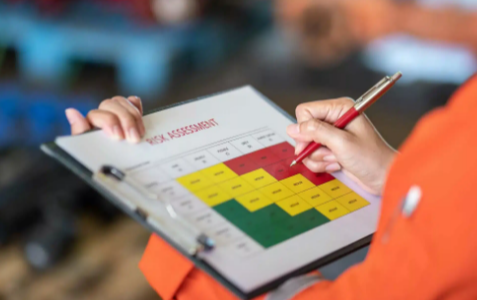
In today’s fast-paced world, critical infrastructure such as power plants, data centers, transportation hubs, hospitals, and communication facilities forms the backbone of society. Protecting these essential assets from hazards, particularly fire, is not just a regulatory requirement but a crucial part of operational resilience. A Fire Risk Assessment for Critical Infrastructure is a systematic process that identifies, evaluates, and mitigates fire-related risks, ensuring safety, business continuity, and compliance with industry standards.
Understanding Fire Risk Assessment
A fire risk assessment is a detailed evaluation of potential fire hazards, their likelihood, and the potential consequences if a fire occurs. It involves a systematic approach to identify weaknesses in safety protocols, building design, and operational procedures that could contribute to fire incidents. For critical infrastructure, such assessments are particularly vital due to the high impact of disruptions.
Key Objectives
- Identify Fire Hazards: Detect potential sources of ignition, combustible materials, and risky operations.
- Evaluate Risks: Assess the likelihood of fire incidents and their potential impact on life, property, and operations.
- Implement Controls: Develop preventive and protective measures, including fire detection systems, suppression systems, and emergency protocols.
- Ensure Compliance: Align with national and international fire safety regulations and standards.
- Maintain Continuity: Minimize downtime and ensure critical services remain operational even in emergency situations.
Steps in Conducting a Fire Risk Assessment for Critical Infrastructure
- Asset Identification
- List all critical assets within the facility, including equipment, sensitive data, and human resources.
- Determine which areas are most vulnerable to fire incidents.
- Hazard Identification
- Recognize potential ignition sources such as electrical faults, flammable chemicals, heating equipment, and machinery.
- Examine operational processes that could contribute to fire risk.
- Risk Analysis
- Assess the likelihood of each identified hazard leading to a fire.
- Evaluate potential consequences, including loss of life, property damage, environmental impact, and operational disruption.
- Risk Evaluation
- Categorize risks as high, medium, or low based on severity and probability.
- Prioritize risks that require immediate attention and mitigation.
- Control Measures
- Implement engineering controls such as fire-resistant materials and automatic suppression systems.
- Develop administrative controls including fire safety training, evacuation plans, and regular fire drills.
- Ensure appropriate personal protective equipment (PPE) is available for staff.
- Monitoring and Review
- Regularly update the assessment to account for new hazards or changes in infrastructure.
- Conduct routine inspections and maintenance of fire safety systems.
- Document incidents and near-misses to improve future risk management strategies.
Importance of Fire Risk Assessment for Critical Infrastructure
- Life Safety: Protects employees, visitors, and emergency responders from fire hazards.
- Asset Protection: Safeguards high-value equipment, sensitive data, and structural integrity.
- Operational Continuity: Prevents disruptions in essential services that could impact society at large.
- Regulatory Compliance: Ensures adherence to legal and industry standards, avoiding penalties.
- Insurance Benefits: Demonstrates due diligence, potentially reducing insurance premiums.
Challenges in Fire Risk Assessment for Critical Infrastructure
- Complexity of Systems: Critical facilities often contain intricate electrical, mechanical, and chemical systems, making risk identification challenging.
- Aging Infrastructure: Older buildings and systems may not meet current fire safety standards.
- Human Error: Inadequate training, negligence, or procedural lapses can elevate risk levels.
- Resource Limitations: Implementing comprehensive fire protection measures may require significant investment in technology and personnel.
Read Also: Construction Estimating Services: Precision in Building and Masonry Projects
Best Practices for Effective Fire Risk Assessment
- Use of Technology: Deploy fire modeling software, automated detection systems, and real-time monitoring.
- Regular Training: Conduct periodic training sessions for staff on fire prevention, evacuation, and emergency response.
- Collaboration with Experts: Engage fire safety consultants and risk assessment professionals.
- Scenario Planning: Develop and test emergency scenarios to evaluate readiness and response.
- Continuous Improvement: Review incidents and assessment outcomes to enhance safety measures continuously.
Conclusion
A Fire Risk Assessment for Critical Infrastructure is not merely a compliance exercise but a strategic approach to safeguard human life, protect assets, and ensure operational continuity. By systematically identifying hazards, evaluating risks, implementing control measures, and continuously monitoring safety protocols, organizations can mitigate the devastating impacts of fire incidents. The importance of such assessments grows in direct proportion to the complexity and criticality of the infrastructure, making it an indispensable component of risk management strategies.
FAQs
1. What is the difference between fire risk assessment and fire safety audit?
A fire risk assessment identifies hazards, evaluates risks, and recommends mitigation measures, while a fire safety audit reviews the effectiveness of existing fire safety measures against compliance standards.
2. How often should fire risk assessments be conducted in critical infrastructure?
Typically, fire risk assessments should be conducted annually or whenever there are significant changes in operations, equipment, or building layout.
3. Are fire risk assessments mandatory for critical infrastructure?
Yes, most national and international fire safety regulations require periodic fire risk assessments for critical facilities to ensure safety and compliance.
4. Who should conduct a fire risk assessment?
It is best conducted by certified fire safety professionals or risk assessment experts, although internal safety officers can assist in preliminary evaluations.
5. What are common fire hazards in critical infrastructure?
Common hazards include electrical faults, flammable liquids, combustible materials, heating equipment, and human errors such as improper storage of combustible items.

